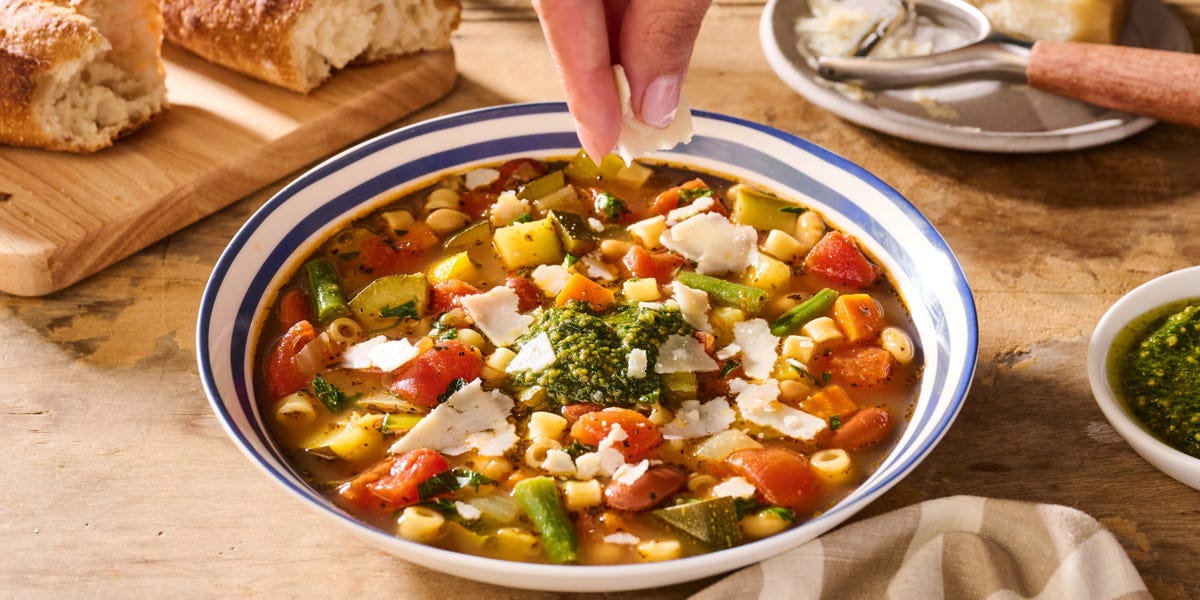
Transforming a single pot of delicious soup into multiple future meals is a kitchen superpower many aspire to. Learning how to freeze soup effectively is a game-changer for meal prep, budget-conscious cooking, and ensuring you always have a comforting dish ready to go. While the concept of freezing soup seems simple, not all soups are created equal when it comes to long-term cold storage. Some ingredients hold up beautifully, maintaining their texture and flavor, while others require a little extra finesse to prevent a disappointing post-thaw experience. This comprehensive guide will walk you through the nuances of freezing soup, with a special focus on handling tricky components like dairy, pasta, and potatoes to ensure every bowl tastes just as good as the day it was made.
The Art of Freezing Soup: Understanding What Works Best
Freezing soup isn't just about tossing leftovers into a container; it's about preserving quality and flavor. The key lies in understanding how different ingredients react to extreme cold and subsequent thawing. The good news is that with a few smart strategies, almost any soup can become freezer-friendly.
Soups That Freeze Beautifully (Your Freezer-Friendly Stars)
Some soups are natural-born freezer champions, requiring little to no special treatment. These varieties maintain their integrity, texture, and flavor profile effortlessly after a stint in the freezer. When you're wondering how to freeze soup: Keep Your Leftovers Tasting Fresh & Delicious, start with these:
- Broth-Based Soups: Think classics like chicken noodle (with a caveat for noodles, see below), vegetable soup, and minestrone. The stable liquid base and robust vegetables or meats hold up exceptionally well. The individual components generally don't break down or separate.
- Bean and Lentil-Based Soups: Hearty and wholesome, these soups are excellent candidates for freezing. Beans and lentils retain their texture remarkably well, and the thick, often savory broth benefits from the flavors melding further in the freezer.
- Chili: While often debated as a 'soup,' chili is undeniably one of the best dishes for freezing. Its rich, dense texture and often chunky ingredients become even more flavorful upon thawing and reheating.
- Puréed Vegetable Soups: Smooth and creamy purées like tomato basil, butternut squash, pumpkin, or carrot ginger soup freeze like a dream. Their homogenous texture means there's little to separate, and they often become even richer in flavor. For an extra velvety texture upon reheating, consider giving them a quick re-blend or whisk.
These soups are your safest bets for hassle-free freezing. Simply cook, cool, and freeze for future enjoyment!
Handling Tricky Ingredients: Dairy, Pasta, & Potatoes with Care
While many soups are freezer-friendly, some popular ingredients can present challenges. Ingredients like dairy, pasta, and potatoes tend to undergo undesirable changes in texture or consistency when frozen and thawed. But don't despair! With a few strategic adjustments, you can still enjoy your favorite creamy tomato soup or hearty potato chowder from the freezer.
Dairy-Based Soups: Avoiding the "Broken" Look
Soups that rely heavily on dairy products such as milk, cream, cream cheese, or even those thickened with a roux or béchamel, can be notoriously tricky. The fat and water content in dairy tend to separate when exposed to freezing temperatures, resulting in a grainy, curdled, or "broken" appearance upon reheating. This doesn't necessarily mean the soup is spoiled, but the texture can be unappetizing.
- The Workaround: Separate and Add Later: The golden rule for dairy-heavy soups is to freeze the soup base *without* the dairy. Prepare your soup up to the point where you would add milk, cream, or yogurt. Freeze this dairy-free base. When you're ready to serve, thaw the base, bring it to a simmer, and then whisk in your fresh dairy product until it's heated through and properly incorporated. This ensures a smooth, creamy texture every time.
- Re-blending as a Solution: For pureed dairy soups (like a creamy tomato soup where the dairy is fully blended in), some success can be found by thoroughly re-blending the soup with an immersion blender after thawing and reheating. This can help emulsify the separated fats and liquids again. However, this method is less effective for chunky soups where the dairy is meant to be a smooth part of the broth.
- Choose Full-Fat Wisely: While not a perfect solution, full-fat dairy products tend to fare slightly better than their low-fat counterparts due to higher fat content, which can be more stable. However, separation is still a risk.
Pasta and Rice: Preventing Mushiness
Few things are less appealing than mushy, bloated pasta or rice in soup. Both ingredients absorb a significant amount of liquid, and the freezing and thawing process can cause them to become overcooked, soft, and unappetizingly gummy.
- The Al Dente Approach: If you must include pasta or rice in your frozen soup, undercook it significantly (cook it very al dente). This leaves some structure for it to absorb liquid upon thawing and reheating without becoming completely mushy.
- The Best Solution: Freeze the Base, Add Fresh: The most reliable method is to freeze the soup base without any pasta or rice. When you're ready to eat, thaw the soup, bring it to a boil, and then cook fresh pasta or rice directly in the simmering soup until it's done. This ensures perfect texture and prevents any mushiness.
- Consider Smaller Pasta Shapes: If freezing pasta within soup, smaller shapes like orzo or ditalini may hold up marginally better than larger, more delicate shapes, but the "add fresh" method is always superior.
Potatoes: Saying Goodbye to Grainy Textures
Potatoes, a beloved staple in many hearty soups and stews, can be another source of textural disappointment after freezing. The starch in potatoes can break down when subjected to freezing temperatures, resulting in a grainy, crumbly, or mealy texture that detracts from the soup's overall appeal.
- Puree Power: If your soup is meant to be puréed (like a potato leek soup), puréeing the potatoes *before* freezing can help. This breaks down the cell walls more completely, making the texture less prone to graininess upon thawing. A quick re-blend after thawing can also help.
- Roast and Add Later: For chunky potato soups, consider roasting or boiling the potatoes separately until just tender, then adding them to the soup *after* it has thawed and been reheated. This ensures firm, flavorful potato pieces without the grainy texture.
- Sweet Potato Alternative: Sweet potatoes tend to freeze slightly better than white potatoes due to their different starch composition. If you're open to an alternative, they can be a more freezer-friendly choice for chunky soups.
Master the Freezing Process: Step-by-Step for Perfect Results
Beyond ingredient considerations, the actual freezing process plays a crucial role in maintaining quality. Follow these steps to ensure your frozen soup is delicious and safe.
1. Cool Completely and Quickly
This is arguably the most critical step for food safety and quality. Placing hot soup directly into the freezer can raise the internal temperature of the freezer, potentially thawing other items and creating a breeding ground for harmful bacteria in your soup.
- Room Temperature First: Always allow your soup to cool to room temperature before transferring it to containers. This should ideally happen within two hours to keep it out of the "danger zone" (40-140°F / 4°C-60°C) where bacteria multiply rapidly.
- Speed Up the Process: To accelerate cooling, divide the soup into smaller portions in shallow vessels like baking dishes or even a large cake pan. Stirring occasionally helps. For even faster cooling, place the pot of soup in an ice bath in your sink.
2. Choose the Right Containers for Storage
The container you choose can impact the soup's freshness and how easily it thaws and stores. For more in-depth guidance on this, refer to Master Soup Freezing: Proper Cooling & Smart Portions for Success.
- Freezer-Safe Containers: Opt for high-quality, freezer-safe plastic or glass containers with airtight lids. Air exposure is the enemy, leading to freezer burn and flavor degradation.
- Heavy-Duty Freezer Bags: These are excellent for saving space. Fill them, remove as much air as possible, and lay them flat to freeze. Once frozen solid, they can be stacked like tiles. Flat portions also thaw much faster!
- Silicone Molds: For single servings, silicone muffin tins or specific soup molds are fantastic. Freeze the soup in the molds, then pop out the frozen pucks and store them in a larger freezer bag.
- Leave Headspace: Liquids expand when frozen. Always leave about an inch of headspace in your containers to prevent cracking or bursting.
3. Portion Smartly for Future Meals
Thinking ahead about how you'll use the soup can save you time and prevent waste.
- Single or Family Servings: Instead of freezing an entire batch in one large container, divide it into individual portions or family-sized amounts. This way, you only thaw what you need, avoiding the need to refreeze (which can degrade quality).
- Label Clearly: Always label your containers with the soup type and the date it was frozen. Most soups are best consumed within 3-4 months for optimal quality, though they remain safe for longer.
Thawing and Reheating for Optimal Flavor
The final step in your freezing journey is bringing that deliciousness back to life. Proper thawing and reheating are crucial for restoring the soup's original taste and texture.
- Safe Thawing Methods: The safest way to thaw soup is in the refrigerator overnight. For quicker thawing, you can place a sealed freezer bag under cold running water or use the defrost setting on your microwave. Avoid thawing at room temperature for extended periods.
- Gentle Reheating: Reheat soup slowly on the stovetop over medium-low heat, stirring frequently to ensure even heating and prevent scorching. For puréed soups, an immersion blender can be used during reheating to restore creaminess if any separation occurred. For chunky soups, gentle stirring helps redistribute ingredients.
- Adjust Seasoning and Add Freshness: Freezing can sometimes mute flavors. Taste your soup after reheating and adjust seasonings like salt, pepper, or herbs as needed. This is also the perfect time to add any fresh dairy, pasta, or potatoes that you purposely left out before freezing. A swirl of fresh cream or a sprinkle of fresh herbs can brighten the flavor significantly.
Conclusion
Mastering how to freeze soup is a valuable skill that empowers you to enjoy homemade meals with minimal effort, reduce food waste, and save money. While some soups, especially broth-based and puréed varieties, are inherently freezer-friendly, those with dairy, pasta, or potatoes simply require a bit more foresight. By freezing the base separately and adding these delicate ingredients fresh upon reheating, you can bypass common pitfalls and ensure every spoonful is as delicious and satisfying as the first. Embrace the art of freezing, and your future self will thank you for those convenient, comforting bowls of perfectly preserved soup.
