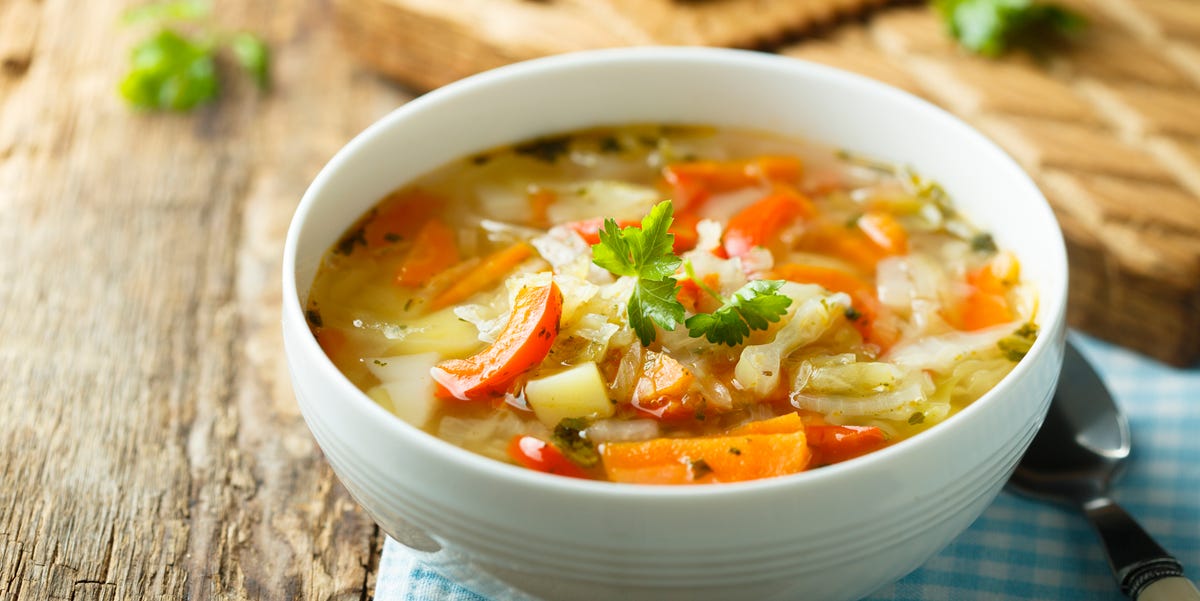
How to Freeze Soup: Keep Your Leftovers Tasting Fresh & Delicious
There's nothing quite like a comforting bowl of homemade soup. But what if you could multiply that comfort, ensuring a delicious, ready-to-eat meal is always within reach? Mastering how to freeze soup isn't just about preserving leftovers; it's a smart culinary strategy that saves time, reduces waste, and stretches your budget further. Imagine turning an hour of stovetop cooking into multiple future meals, effortlessly transitioning from freezer to table in minutes. This comprehensive guide will equip you with all the knowledge to freeze your soup like a pro, ensuring it tastes just as fresh and flavorful the second time around.
Why Freezing Soup is a Culinary Game-Changer
Freezing soup is a powerful tool in any home cook's arsenal. It transforms a single cooking session into a pipeline of convenient, nutritious meals. Here's why it's such a game-changer:
- Effortless Meal Prep: Cook a large batch on the weekend, and you'll have lunches and dinners sorted for busy weekdays. No more scrambling for last-minute meal ideas.
- Budget-Friendly: Buying ingredients in bulk and cooking larger quantities often translates to lower costs per serving. Freezing prevents spoilage, ensuring every ingredient you buy is utilized.
- Waste Reduction: Leftover soup doesn't have to go to waste. Instead, it becomes a valuable future meal, minimizing food waste and maximizing your grocery investment.
- Healthy Convenience: Having homemade, wholesome soup in the freezer helps you avoid less healthy takeout options when time is short. You control the ingredients, ensuring quality and nutrition.
From comforting chicken noodle to hearty minestrone, knowing how to freeze soup means a delicious, warm meal is always just a thaw away.
Not All Soups Are Created Equal: What Freezes Best?
While the goal is to freeze virtually any soup, some varieties are naturally better suited for the freezer than others. Understanding these distinctions will help you achieve optimal results every time. For a deeper dive into soup types and their freezing potential, check out our guide on Which Soups Freeze Best? Handle Dairy, Pasta & Potatoes with Care.
Soups That Are Freezer Champions
These soups excel in the freezer, maintaining their texture and flavor beautifully upon thawing and reheating:
- Broth-Based Soups: Think classics like chicken noodle, vegetable soup, minestrone, or even a simple beef broth. Their liquid-heavy nature means ice crystals form without significantly altering the main ingredients.
- Bean and Lentil-Based Soups: These hearty soups, rich in legumes, stand up remarkably well to freezing. The beans and lentils retain their structure and absorb flavors even more deeply.
- Puréed Vegetable Soups: Creamy (but dairy-free!) purées such as tomato basil, butternut squash, pumpkin, or carrot ginger freeze perfectly. Their smooth, uniform texture is less prone to separation or textural changes.
- Chili: While some might debate if it's a soup, chili is undeniably a freezer superstar. Its robust flavors and sturdy ingredients benefit immensely from freezing and reheating.
For these types, simply follow the steps below, and you're guaranteed a fantastic result.
Soups to Freeze with Caution (and Workarounds)
Some soups require a little extra consideration or minor adjustments to ensure they emerge from the freezer tasting delicious:
- Soups with Dairy: Milk, cream, yogurt, or cheese-based soups (like cream of mushroom or potato cheese soup) are notorious for separating or developing a grainy texture after freezing. The fat and water components tend to split.
Workaround: Freeze the base of the soup without any dairy. Once thawed and reheated, stir in the cream, milk, or cheese just before serving. This preserves the silky texture you desire. - Soups with Pasta or Rice: Ingredients like pasta, rice, or even quinoa can become mushy and absorb too much liquid after freezing and thawing. They tend to swell and lose their desirable al dente texture.
Workaround: Prepare and freeze the soup base without these starches. Cook the pasta or rice separately (perhaps slightly undercooked) and add it to the thawed and reheated soup right before serving. - Potato-Heavy Soups: Potatoes, especially diced ones, can sometimes become slightly grainy, mealy, or unpleasantly soft after freezing. The starch structure changes in extreme cold.
Workaround: Similar to dairy and pasta, freeze the soup base without the potatoes. For pureed potato soups, you might have better luck, but for chunky potato soups, consider adding freshly cooked potatoes after thawing, or even mashing them slightly into the reheated soup if a smoother texture is acceptable.
The Step-by-Step Guide to Freezing Soup Like a Pro
Successfully freezing soup hinges on a few crucial steps that ensure safety, preserve quality, and optimize convenience. For more detailed instructions on safe handling, refer to our guide on Master Soup Freezing: Proper Cooling & Smart Portions for Success.
Step 1: Cool It Down, Safely and Swiftly
This is arguably the most critical step. Putting hot soup directly into containers and then into the freezer can lead to several problems: it raises the temperature of your freezer (potentially affecting other frozen items), it takes a long time to freeze the soup (creating large ice crystals that can damage texture), and most importantly, it creates a breeding ground for harmful bacteria in the "danger zone" (temperatures between 40°F and 140°F or 4°C and 60°C).
- Allow to reach room temperature: First, let your soup cool on the countertop. Do not leave it out for more than two hours.
- Speed up the process: To accelerate cooling, transfer the soup into shallow vessels like baking pans or multiple smaller bowls. This increases the surface area, allowing heat to dissipate faster.
- Consider an ice bath: For even faster cooling, place the pot of soup into a larger sink or basin filled with ice water, stirring occasionally. This brings the temperature down rapidly and safely.
Step 2: Choose Your Container Wisely
The right container makes all the difference in protecting your soup from freezer burn and optimizing storage space.
- Freezer-safe containers with airtight lids: Glass (Pyrex, Anchor Hocking) or heavy-duty plastic containers are excellent choices. Ensure they are specifically labeled "freezer-safe" to prevent cracking. Leave about an inch of headspace at the top for expansion during freezing.
- Heavy-duty freezer bags: These are fantastic space-savers. Ladle cooled soup into bags, press out as much air as possible, seal, and lay them flat on a baking sheet to freeze. Once solid, they can be stacked vertically like files, freeing up valuable freezer real estate. Laying them flat also speeds up thawing.
- Single-portion silicone molds: For individual servings, silicone molds (like large muffin tins or specific freezer block molds) are perfect. Freeze the soup until solid, then pop out the frozen pucks and transfer them to a freezer bag for long-term storage. This allows you to grab just one serving at a time.
Always label your containers with the date and type of soup. You might think you'll remember, but "mystery meat" soup is less appealing.
Step 3: Portion for Perfection
Freezing your soup in smart portions prevents waste and ensures maximum convenience.
- Single servings: Ideal for quick lunches or solo dinners. This way, you only defrost what you need, avoiding re-freezing or unnecessary leftovers.
- Family-sized portions: If you often feed multiple people, freeze soup in containers large enough for your family's typical meal.
Think about how you'll be using the soup and portion accordingly. This foresight will save you time and hassle later on.
Thawing and Reheating: Bringing Your Soup Back to Life
Proper thawing and reheating are just as important as the freezing process to ensure your soup retains its original flavor and texture.
The Thawing Process
Never thaw soup at room temperature for extended periods, as this can lead to bacterial growth.
- Refrigerator Thawing (Best Method): Transfer frozen soup from the freezer to the refrigerator 24-48 hours before you plan to eat it. This slow, gradual thaw is safest and best for preserving quality.
- Cold Water Bath (Faster Method): For quicker thawing, place the sealed container or bag of soup in a sink or large bowl filled with cold water, changing the water every 30 minutes until thawed.
- Direct Reheating (for smaller portions): Small frozen portions (especially those from silicone molds) can often be placed directly into a pot on the stovetop over low heat, stirring frequently until melted and heated through.
Reheating for Optimal Flavor & Texture
Once thawed, your soup is ready for reheating and a final flourish.
- Stovetop: The best method for even heating. Transfer thawed soup to a pot and heat over medium-low heat, stirring occasionally, until simmering. Avoid boiling vigorously, which can reduce flavor and overcook ingredients.
- Microwave: Convenient for single servings. Transfer to a microwave-safe bowl, cover, and heat in one-minute intervals, stirring well between each, until hot.
Pro Tip: Taste and adjust seasonings after reheating. Freezing can sometimes mute flavors, so a pinch of salt, a dash of pepper, or a squeeze of lemon juice can work wonders. If your soup was one of the "caution" types, now is the time to stir in fresh dairy, add cooked pasta/rice, or incorporate freshly cooked vegetables to restore its perfect texture and richness.
Pro Tips for Freezer Soup Success
- Label Everything: Include the type of soup and the date it was frozen. A good rule of thumb is to consume frozen soup within 3-6 months for best quality, although it remains safe beyond that.
- Don't Overfill: Always leave about an inch of headspace in rigid containers to allow for expansion as the liquid freezes.
- Add Freshness Post-Thaw: Fresh herbs (like parsley, cilantro, dill), a dollop of sour cream, a swirl of olive oil, or a sprinkle of grated cheese can elevate reheated soup from good to gourmet.
- Consider Broth Ice Cubes: If you have extra broth, freeze it in ice cube trays. These "broth bombs" are perfect for adding flavor to sauces, pan-frying, or boosting other soups without thawing a whole container.
- Freeze Ingredient-Specific Bases: If you're often short on certain ingredients, freeze pre-cooked components separately, like sautéed onions, carrots, and celery (mirepoix), or even a basic tomato sauce, to quickly build new soups later.
Conclusion
Freezing soup is more than just a culinary trick; it's a lifestyle hack that brings convenience, savings, and delicious, wholesome meals right to your fingertips. By following these simple yet crucial steps—from proper cooling and smart container choices to careful thawing and reheating—you can ensure your homemade soups taste just as incredible as the day they were made. So, next time you're whipping up a big pot, remember these tips and stock your freezer. You'll thank yourself on those busy days when a fresh, flavorful, and fuss-free meal is exactly what you need.
